Welcome
Sign in to access your Invited Home account
By signing in you agree to our Terms & Conditions and Privacy Policy.
Summer Packing Guide for a Luxury Mountain Vacation
Packing for a summer vacation in the mountains doesn’t need to be complicated — it simply needs to be thoughtful and prepared. Summer in the mountains isn’t summer at the beach, nor is it summer in the city. This guide is designed to help you curate the perfect summer capsule for your Rocky Mountain summer vacation.
If you’re headed to Telluride, Vail, Aspen, Park City, Deer Valley or any mountain town in the Rockies this summer, this guide is for you. These destinations primarily sit between 6,000 and 9,000 feet in elevation, with trails climbing considerably higher, often to elevations between 10,000 and 14,000 feet, and these conditions need a little extra special preparation. Pack smart for your vacation, and our mountain towns take care of the rest.
Understanding Mountain Weather Patterns
Understanding Mountain Weather Patterns
Before you even start packing, it’s key to understand the daily rhythm of high-elevation summer in the mountain west, and this will help determine all your outdoor plans. Remember this: Summer in the mountains means cool early mornings, warm and sunny mid-morning through lunch, and the potential for late afternoon thunderstorms that can arrive with little warning. The temperatures then drop quickly after sunset.
The practical implication is that trail starts should happen early — by 7 or 8 a.m. on big days — and that every pack, no matter how casual the outing, should contain a rain layer. Temperature swings of 30 to 40 degrees between morning and evening are normal. A day that begins in a t-shirt and ends in a fleece and wool socks is a typical day, not a bad one. Pack accordingly and it becomes part of the appeal.
Clothing: Lightweight Layers For the Win
Clothing: Lightweight Layers For the Win
The single most useful framework for packing mountain summer clothing for outdoor adventures is the three-layer system: a moisture-wicking base, an insulating mid-layer, and a waterproof shell. Everything else is secondary.
For the base layer, lightweight merino wool is the winner. It helps regulate temperature, can be odor resistant and looks polished enough to wear from the trail to a casual al fresco lunch. They pack small, so you can easily bring two or three options depending on the length of your trip.
The mid-layer is where most guests underpack. A fleece or lightweight down jacket is essential even in July, and not just for evenings. Above tree line at higher elevations, temperatures drop faster than most expect, and a summit that looks inviting from the trailhead can feel downright freezing cold, especially if there’s wind. A packable down jacket that compresses to the size of a water bottle is the single best investment in a mountain summer wardrobe.
The waterproof outer shell matters most in Park City and the Colorado destinations, where afternoon rain is most predictable. It doesn't need to be heavy — a lightweight, packable hardshell that fits over a mid-layer will cover every scenario you're likely to encounter. Leave the heavyweight rain gear at home.
Outside of your adventure layering system: bring two or three pairs of lightweight hiking pants or shorts, a casual skirt or sundress is a great option for dinners out, a handful of t-shirts and lightweight long-sleeves, a sun hat with real brim coverage, and at minimum one warm outfit — a heavier fleece or light sweater, long pants — for cool evenings on the deck or in town.
Footwear: Happy Feet = A Great Vacation
Footwear: Happy Feet = A Great Vacation
Footwear can be where a vacation goes sideways, and where guests tend to arrive underprepared. The basic rule is if you plan to hike anything beyond Main Street or a paved path, you’ll need proper footwear. Trail runners or lightweight hiking boots with ankle support, ideally broken in before your trip, will help you navigate most easy to moderate trails in the Rockies. Sandals and fashion sneakers will not.
Choosing between trail runners and hiking boots depends on the trails you want to explore. Trail runners are a great option for easy to moderate, well-maintained, popular trails around Vail, Beaver Creek, and Park City. If you’re opting for more advanced, technical, steep or rocky terrain, a mid-height hiking boot with a stiffer sole provides more stability and support.
You can still bring the sandals, flip-flops and fashion sneakers for pool time, casual shopping and walking the village après hiking.
Sun Protection & Preventing Altitude Sickness
Sun Protection & Preventing Altitude Sickness
At 8,000 feet, UV exposure is roughly 25 percent more intense than at sea level and sunburns can occur faster and be more severe than at sea level. Bring SPF 50 or higher and don’t forget accompanying lip balm. Sun hats and lightweight long-sleeved shirts with sun protection will help as well. Polarized sunglasses are recommended.
Altitude can affect a small percentage of guests, particularly those arriving from sea level. Hydration is an easy way to mitigate altitude sickness. Plan to drink more water than you think you need — especially in the first 24 to 48 hours after arrival. Avoid overexertion and excess alcohol on your first day.
Pro Tip: If you’re still concerned about adjusting to altitude, consider booking a residence with an integrated O2 system. Several InvitedHome residences have in-home O2 systems to help mitigate the effects of altitude.
Out on the Town: What Exactly is “Mountain Chic”?
Out on the Town: What Exactly is “Mountain Chic”?
While mountain towns are not beach resorts with dress codes in a traditional sense, the finer restaurants across Telluride, Vail, Deer Valley and Park City do have an ambient standard that recommends not showing up in your hiking clothes.
The practical wardrobe for evenings across the Rockies: one or two pairs of dark or tailored pants, a few nicer shirts or blouses, clean leather shoes or Chelsea boots, and — for women — a dress or two that works for both a nice dinner and a festival afternoon. A blazer is useful in Vail's more formal dining rooms but not essential anywhere. Denim is welcome almost everywhere; distressed denim less so at the higher-end properties. If you’re feeling the spirit of the west - western accents are a great way to elevate your wardrobe.
And of course — don’t forget layers, especially if you’re planning to eat outdoors. The best tables are outside, and mountain evenings cool down quickly so a light sweater, jacket or fleece is non-negotiable for evenings out.
Packing for Families
Packing for Families
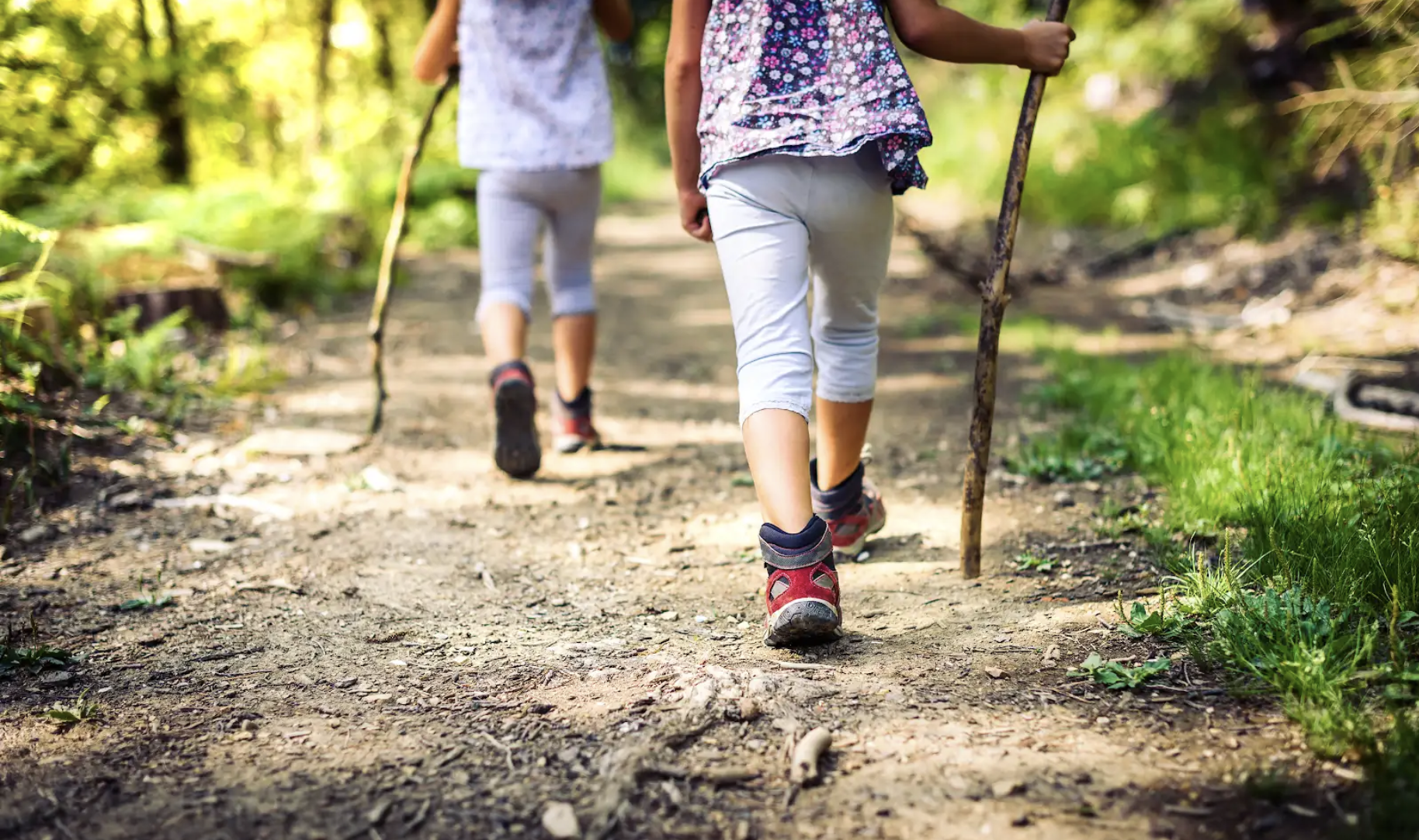
The same principles for packing — layers, sturdy footwear, sun protection and a few nice items, are appropriate for the smaller humans, who tend to get cold faster and are more susceptible to sun exposure. Pack more sunscreen than you think you’ll need, a solid stick helps with easy facial application, and often spray sunscreens are good for quick re-application during the day.
If trails are on the agenda, a child carrier backpack is a great option to reach scenic terrain and extend your hiking options.