Welcome
Sign in to access your Invited Home account
By signing in you agree to our Terms & Conditions and Privacy Policy.
The Complete Guide: Things to Do in Alta, Utah
Drive to the top of Little Cottonwood Canyon and the road simply ends at Alta. That is the first thing to understand about the place. It is the last stop, a skier’s mountain that has spent more than eighty years keeping things deliberately simple. What it offers is 543 inches of snow in an average winter, skier-only terrain across Collins Gulch and Albion Basin, an easy walk to Cecret Lake beneath Devil’s Castle, and a basin holding more than 120 wildflower species through late summer.
Alta calls itself a ski area rather than a resort, and means it. A trip here is about the mountain itself, whether that is a bottomless powder morning in January or a walk to an alpine lake in August. Here is what is worth your time, season by season, from the local team who live in this canyon.
Ride the Collins Lift, Alta’s Original Chair
Ride the Collins Lift, Alta’s Original Chair
Alta’s first lift was built from salvaged mine trolleys and timber, a fitting start for a ski area carved out of a played-out silver district. When the Collins single chair first ran on January 15, 1939, a ride up cost twenty-five cents and a full day cost a dollar fifty. Alta has been running lifts on this same ground ever since, one of the oldest lift-served ski areas in the country.
Today’s lift network still centers on Collins Gulch and Albion Basin. Alta also remains one of only three ski areas in the United States that does not allow snowboarding, alongside Deer Valley and Vermont’s Mad River Glen, a policy tied closely to its identity as a skier’s mountain. You can read the full story of Alta’s first eighty years on the mountain’s own account of it.
Things to Do in Alta in Summer: Wildflowers and Alpine Lakes
Things to Do in Alta in Summer: Wildflowers and Alpine Lakes
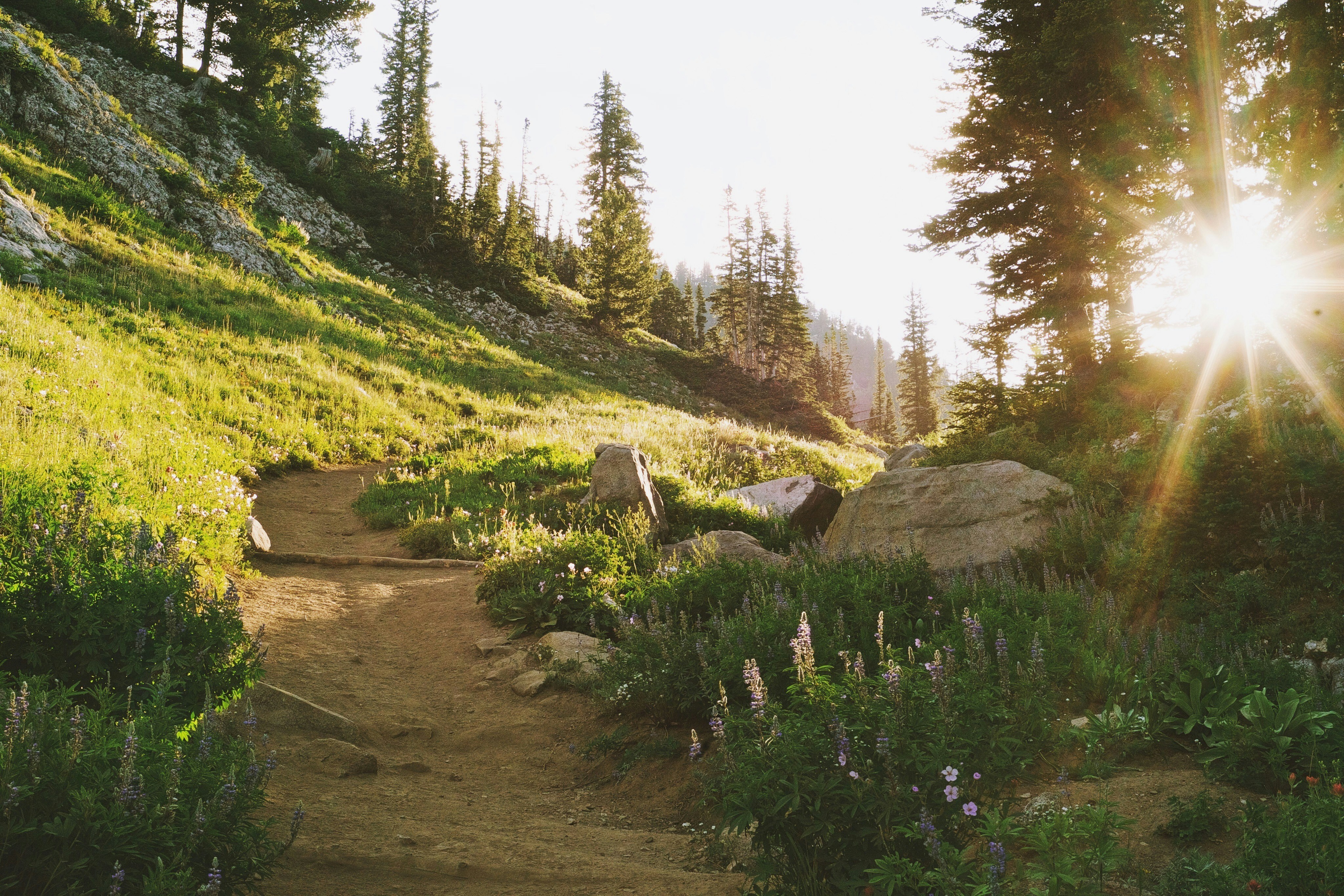
Once the lifts stop turning, Alta becomes one of the Wasatch’s quiet summer secrets. Albion Basin fills with wildflowers by midsummer, and the same high elevation that makes the powder so reliable keeps the meadows blooming later here than almost anywhere else in the range. This is where the list of things to do in Alta shifts from skis to hiking boots.
Hike to Cecret Lake
The Cecret Lake Trail climbs three quarters of a mile from the Albion Basin campground, gaining 420 feet to a small glacial tarn set beneath Devil’s Castle, with Mount Superior filling the view across the basin. It is an easy, family-friendly walk, at its best from mid-July into August when the meadows are in full bloom.
Alta charges $12 a vehicle to drive the Albion Basin summer road, and there is no reservation system, so the gate holds traffic once the small lot at the top fills. The easy move is to leave the car at the Albion base area and walk up the Upper Albion Meadows Trail instead. For a longer day, the trail carries on toward Sugarloaf Peak and Catherine’s Pass, with views down into Big Cottonwood Canyon.
The Albion Basin Wildflowers
Albion Basin sits above 9,500 feet, high enough that its bloom runs later than most of the Wasatch, usually peaking in late July and early August. The Forest Service documents more than 120 wildflower species across the basin, from paintbrush and lupine to columbine. Hummingbirds work the blooms most afternoons, and you stand a good chance of seeing moose and deer along the trails, especially away from the middle of the day.
Things to Do in Alta in Winter: Deep Powder at 8,530 Feet
Things to Do in Alta in Winter: Deep Powder at 8,530 Feet
Ski Alta’s Legendary Terrain
Alta’s terrain runs from gentle beginner slopes near the Albion base to steep, storied lines across Collins Gulch and out toward Catherine’s Area. With an average of 543 inches a year, more than 45 feet of snow, this is one of the most reliable powder mountains in the country. Its early crews helped pioneer avalanche work in North America: the nation’s first avalanche research center opened here in 1938, and the forecasting and control methods developed through the 1940s and 50s still underpin how Utah manages snow safety today.
For skiers who want more ground to cover, Alta connects to neighboring Snowbird at the top of the ridge, and the Alta-Bird pass opens both mountains from the same base in Little Cottonwood Canyon.
Beyond the Lifts
Alta keeps things simple in the off-hours as well, with a handful of slope-side restaurants, a few quiet lodges, and long views over Albion Basin and Mount Superior that ask nothing more than that you stop and take them in. It is the rare mountain where doing very little is part of the point.
Things to Do in Alta in Fall
Things to Do in Alta in Fall
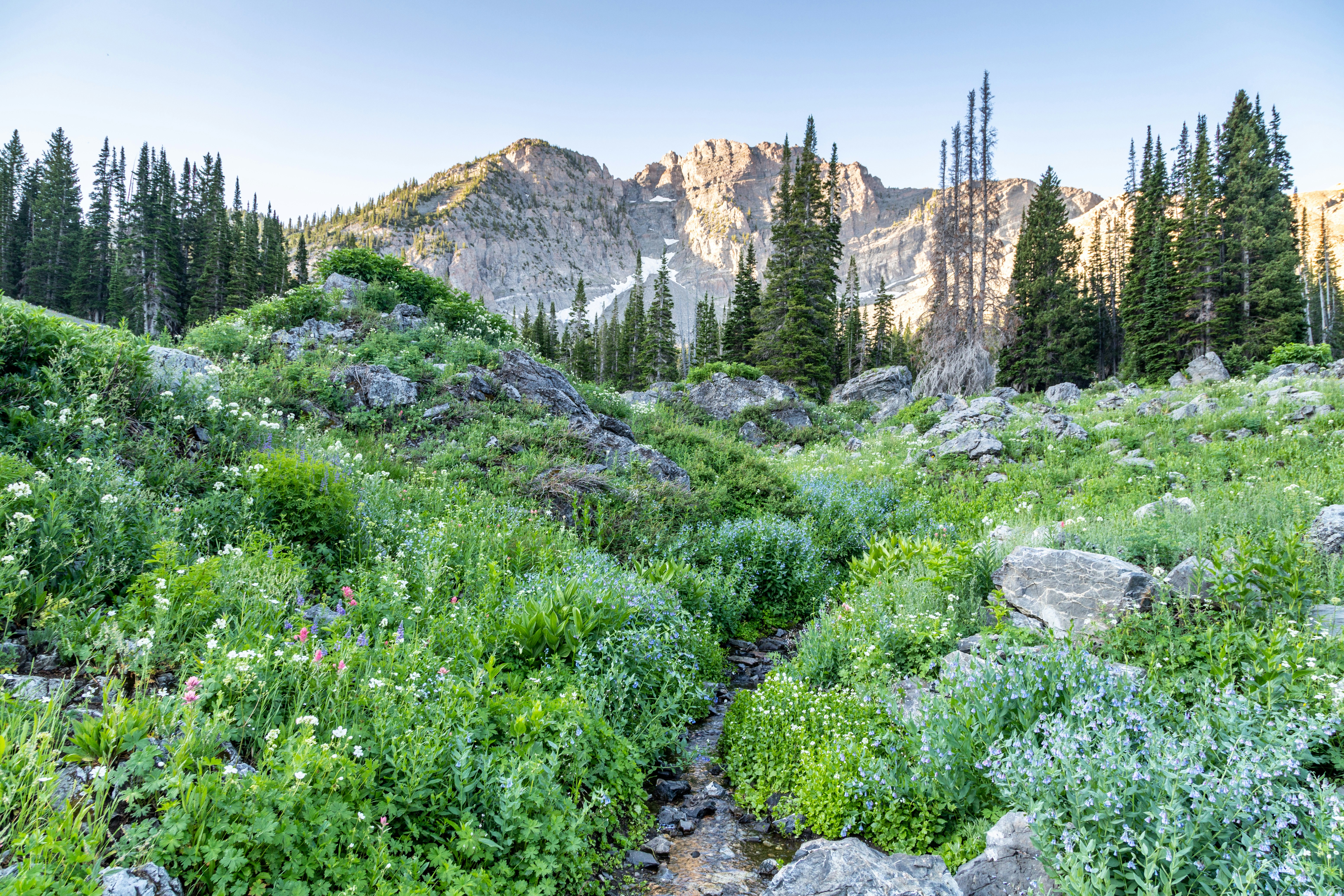
September brings the tail end of the Albion Basin bloom, along with the first fall color lower in Little Cottonwood Canyon. The trails grow noticeably quieter in the weeks before the snow guns start up again in November, which makes early fall one of the loveliest and least-crowded times to walk the basin.
Alta’s History: From Silver Boomtown to Powder Legend
Alta’s History: From Silver Boomtown to Powder Legend
Alta was a full-blown silver town long before it was a ski area. In the middle 1880s well over a thousand people lived up here year round, served by smelters, six breweries, and twenty-six saloons, of which the Bucket of Blood and the Gold Miner’s Daughter were the most notorious. That tells you most of what you need to know about the place in those years.
When the silver market collapsed, Alta emptied out, and the basin sat largely quiet until the Norwegian ski pioneer Alf Engen scouted its terrain for the Forest Service in 1935. Alta Ski Area was founded on that same ground in 1938, its first Collins chairlift built from the old mining tram, and it has stayed independently owned ever since, which is a large part of why the mountain still feels the way it does.
Where to Eat: Alf’s and the Mid-Mountain Lodges
Where to Eat: Alf’s and the Mid-Mountain Lodges
Dining at Alta stays close to the mountain. Alf’s Restaurant, named for that founding ski pioneer, serves lunch daily from ten until three with indoor and outdoor seating over Albion Basin and Devil’s Castle, and it is one of the finest lunch views on the hill, fries and all.
Beyond it, a handful of mid-mountain cafes and slope-side grills keep skiers fed without anyone having to drive back down the canyon, and the ski shop at the base will tune your skis while you eat.
Things to Do in Alta with Kids
Things to Do in Alta with Kids
Alta suits families well. The walk to Cecret Lake is short and flat enough for small legs, and the Albion Basin trails are good for spotting moose, deer, porcupines, and hummingbirds through the summer. In winter, the gentle terrain near the Albion base is where generations of Utah skiers have learned.
Getting Around Alta
Getting Around Alta
Alta is the end of the road, so most visitors come up Little Cottonwood Canyon by car or on the UTA ski bus, which costs five dollars each way (and free with resort season pass or IKON pass) and is the smart way to arrive on a powder day. The canyon carries an enhanced traction law that can be enforced up to twenty-four hours before a storm, and the road closes entirely during avalanche control. Once you are up at Alta, the base areas and the trailheads are all within walking distance of one another, so a car mostly sits still while you are here.
What Is Open When
What Is Open When
Alta usually opens for skiing in late November and runs into late April, weather and snowpack permitting. Albion Basin’s wildflowers peak from mid-July into August, and the Cecret Lake Trail is generally walkable from July into September, once the high snow has melted out. The Albion Basin summer road opens for the warm months, charges twelve dollars a vehicle, and closes again with the first snow.
All of this is easier with someone local looking after the details: the powder-day timing, the Albion Basin road and parking, or the table at Alf’s on a bluebird afternoon. When you are ready to settle on where to stay, browse our Alta luxury vacation rentals and let our team take care of the rest.
Things to Do in Alta: FAQ
Three or four days lets you ski the terrain without rushing. In summer, a single day covers Cecret Lake and the Albion Basin meadows, though many visitors stay a night or two just for the quiet beauty that area offers.
In the warm months, hike to Cecret Lake, walk the Albion Basin wildflowers, and watch for moose and hummingbirds along the trails. Year round, the history is a draw in itself, from the silver-mining ruins to the Collins lift that has run since 1939.
No. Alta has been skier-only since it opened in the late 1930s, and it remains one of only three ski areas in the country that does not allow snowboarding. The policy is central to its identity as a skier’s mountain.
Yes, and it is one of the Wasatch’s least-crowded summer corners. The high elevation means the Albion Basin wildflowers bloom later and last longer than almost anywhere nearby, and the easy walk to Cecret Lake is a rewarding introduction to the basin, especially for families.
Easy. It runs three quarters of a mile from the Albion Basin campground with 420 feet of climbing, which puts it within reach of most fitness levels and makes it a good choice for families. The Albion Basin road charges twelve dollars a vehicle and parking is limited, so many hikers walk up from the Albion base instead.
Not really. The UTA ski bus runs up Little Cottonwood Canyon from the Salt Lake Valley for five dollars each way, which many locals prefer on powder days when the road can be restricted, and once you are at Alta everything is within walking distance.
Usually mid-July into August, depending on the previous winter’s snowpack, when the Forest Service’s count of more than 120 species is at its fullest across the basin.
It is a deliberate choice. Alta has stayed no-frills and skiing-focused, independently owned since 1938, and calling itself a ski area rather than a resort is part of how it signals that the mountain, not the amenities, is the point.